
Catastrophe Models and Risks
Understand risk in a world of uncertainty with advanced modeling solutions for insurers, reinsurers, and other organizations.
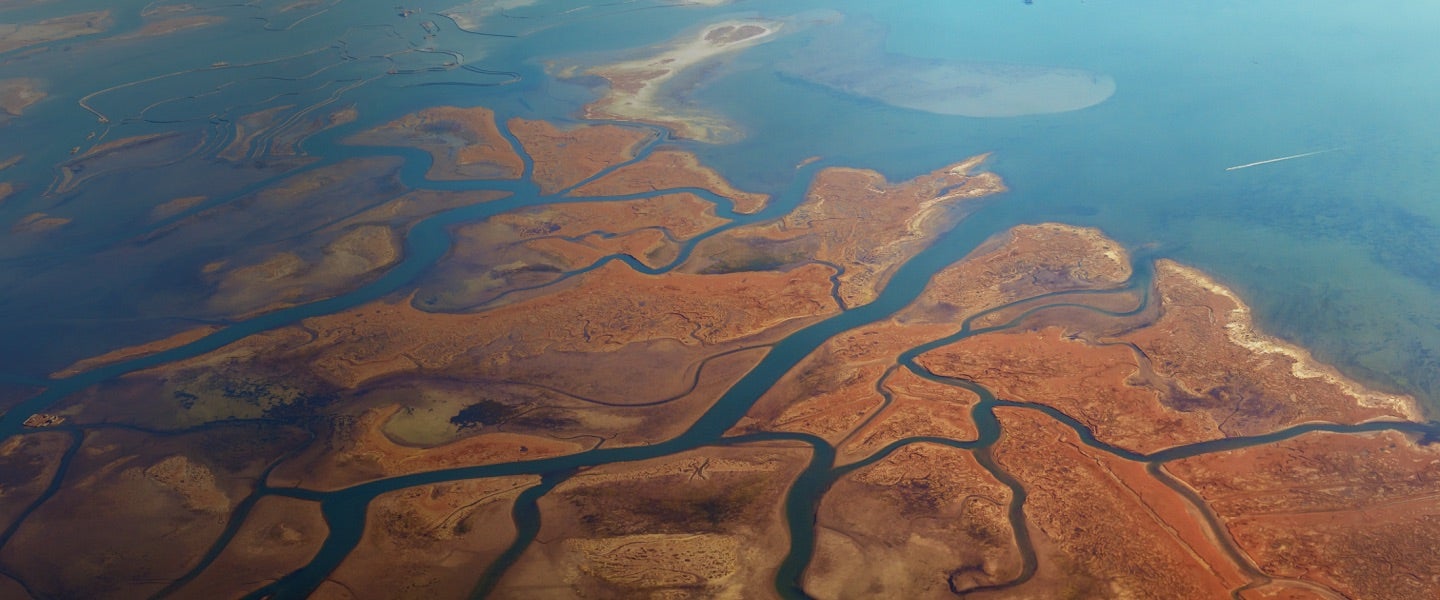
Vatnajökull, Iceland
Catastrophe Models by Category
Moody's RMS has over 200 peril models in nearly 100 countries enabling insurers, reinsurers and other organizations to quantify the potential magnitude and probability of economic loss from catastrophe events.


Agriculture
Agriculture Models
Manage risk in growing and evolving agricultural markets in Asia-Pacific across all key coverages and schemes with the Moody's RMS India and China Agricultural Models.

Builders Risk
Builders Risk
Capture the changing value and vulnerability of the builders risk class of property insurance across different phases of construction projects.

Climate Change
Climate Change Models
Improve your near and long-term climate change risk outlook with new catastrophe models.

Cyber
Cyber Models
Quantify both affirmative and silent cyber risk to take advantage of market opportunity with the Moody's RMS probabilistic cyber catastrophe risk model.

Cyclone, Hurricane, and Typhoon
Cyclone, Hurricane, and Typhoon Models
Assess tropical cyclone risk to inform sound underwriting, portfolio management, and risk transfer decisions.

Earthquake
Earthquake Models
Get the most informed view of earthquake risk possible with comprehensive coverage of seismically active regions across five continents.

Flood
Flood Models
Access broad-scale, well-validated views of flood risk to gain necessary insights into the range of commercial opportunities associated with various flood markets.

Industrial Facilities
Industrial Facilities Model
Better understand the risk profile of industrial and energy facilities where a high percentage of value is associated with machinery, equipment, and stock rather than structures.

LifeRisks
LifeRisks
Tap into life and health industry risk analytics that blend best-practice actuarial techniques with medical science.

Marine Cargo and Specie
Marine Cargo and Specie
Estimate potential losses and risks using a vulnerability model custom-tailored to the uniqueness of the cargo and specie lines of business.

Offshore Platform
Offshore Platform
Model hurricane damage to offshore platforms, rigs, wells, and pipelines throughout the Gulf of Mexico.

Severe Convective Storm
Severe Convective Storm Models
Move to a complete view of severe convective storm risk and improve profit margins using models that help more accurately assess severe weather risk.

Terrorism
Terrorism Models
Make better risk-based decisions with loss metrics for property and workers’ compensation lines using industry-leading terrorism models.

Wildfire
Wildfire Models
Leverage unprecedented detail on loss outcome ranges for U.S. locations or portfolios to better manage and price wildfire risk.

Windstorm
Windstorm Models
Gain insights across 17 European countries to understand the significant tail risk from a complex peril that drives solvency.

Winterstorm
Winterstorm Models
Manage snow, ice, freeze, and winter wind risk with the Moody's RMS® North America Winterstorm Model and reduce your share of billions in annual industry losses.

Workers' Compensation
Workers' Compensation Models
Enabling portfolio managers and underwriters to capture the correct exposure, manage, and transfer catastrophic workers’ compensation risk.
Global Model Coverage by Region

North America
Latin America
Europe
Asia-Pacific
-
Agriculture
-
Builders Risk
-
Cyber
-
Earthquake
-
Inland Flood
-
HWind
-
Industrial Facilities Model
-
LifeRisks Infectious Disease
-
LifeRisks Infectious Disease, Excess Mortality, Longevity
-
Marine Cargo and Specie
-
Offshore Platform
-
Probabilistic Terrorism Model
-
Severe Convective Storm
-
Terrorism
-
Tropical Cyclone
-
Windstorm
-
Winterstorm
-
Wildfire
-
Workers’ Compensation

High-Definition Models from Moody’s RMS
Moody’s RMS® High-Definition (HD) Models are the latest generation of our probabilistic modeling suite. These new, innovative models represent the future of risk modeling, providing a major step forward in the quality of catastrophe risk quantification. With the cloud-native modeling application, Risk Modeler, HD models offer more robust catastrophe risk modeling and are designed to provide the most realistic representation of losses for both detailed and aggregate exposures.
Resources

RMS Announces New Models and RiskLink Version 21.0
NEWARK, CA – May 5, 2021 – RMS®, the world’s leading catastrophe risk modeling and solutions company, today announces new models. Speaking at the annual RMS Exceedance conference, Mohsen Rahnama Ph.D., chief risk modeling officer and executive vice president, said: “Risk is increasingly complex and connected. RMS is focused on providing the highest quality and most transparent, robust catastrophe models to the industry in this environment. With the new inland flood models and global flood hazard maps, ...

RMS 2020 Catastrophe Review: The Year of the COVID-19 Pand...
Overshadowing the natural catastrophic events of the year, the COVID-19 pandemic – a global catastrophe that has dominated all our lives – will headline 2020 in the history books. It has been well over a year now since the first cases of COVID-19 were confirmed. Unlike a regionally focused catastrophic event, COVID-19 is global and far-reaching, having affected 219 countries and territories. The pandemic has touched most of us in some way – personal and professional lives have undoubtedly been changed. Our t...

Three is a Magic Number: RMS Wins Risk Modeling Company of...
Many RMS colleagues attended the recent Reactions North America Awards 2020, admirably hosted by Shawn Moynihan, the magazine’s Editor-in-Chief. The virtual awards ceremony was a great opportunity for the industry to come together and celebrate exceptional achievement in what has certainly been an unusual year. And on behalf of RMS®, I am delighted to receive the Reactions North America 2020 Award for “Risk Modeling Company of the Year.” I know that to win this award you need support from both the independent ju...


Putting the Power of HD Modeling to Work in Three Updated ...
At the RMS Exceedance 2020 virtual conference in May, we shared with attendees our product release plan covering a number of models. Today, we are delighted to announce the availability of three new models for our customers. Together with the U.S. Wildfire HD Model, these models all use the new high-definition (HD) modeling framework and are available in our Risk Modeler 2.0 application today. These include: Japan Typhoon and Inland Flood HD Model: Latest view of risk, incorporating learnings fr...